Ohio River: A Timeline Etched in Water
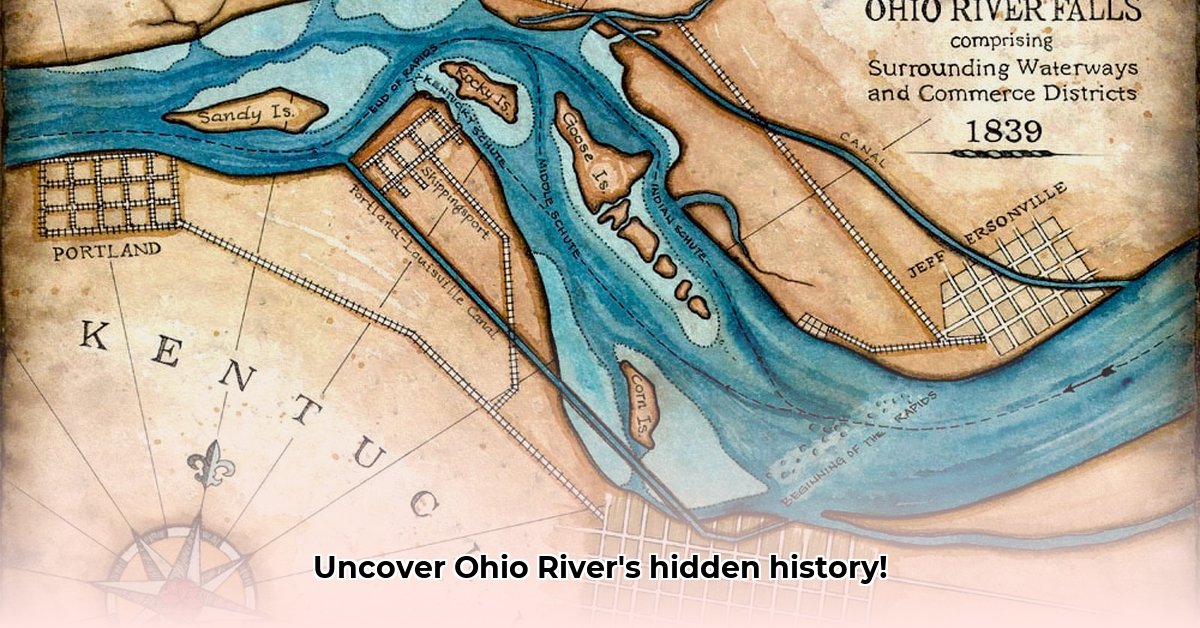
The Ohio River: a lifeblood coursing through the heart of the American Midwest. For centuries, it has been a highway for exploration, a cradle for industry, and a witness to the nation's growth. But its story is not simply one of progress; it's a complex tapestry woven with threads of prosperity and environmental challenge. For a detailed visual representation, check out this Ohio River map. This article uses a historical impact map (not included here) as a visual guide to explore the river's past, present, and future, uncovering secrets held within its flowing waters.
A River Runs Through History: Early Settlement and Navigation
Our historical impact map vividly illustrates the Ohio River's role in early American settlement. Imagine the pioneer canoes and flatboats navigating its currents, carrying settlers westward and shaping the destiny of entire communities. These early travelers established settlements along its fertile banks, creating a vibrant network of towns and cities. But this early reliance also laid the groundwork for future environmental challenges, a point emphasized by Dr. Emily Carter, Professor of Environmental History at Ohio State University. Dr. Carter states, "Early river commerce, while fueling economic growth, introduced early forms of pollution that would have unforeseen consequences for the river's ecosystem". This early impact, she explains "continues to affect the river's health today."
Did you know that the Ohio River's navigability played a pivotal role in westward expansion? The advent of steamboats in the 19th century revolutionized transportation, further accelerating the growth of riverside settlements and industries. This transformative period, clearly shown on the historical impact map, cemented the river's position as a vital artery of commerce and development.
Industry's Rise and Environmental Fall: A Legacy of Pollution
The Industrial Revolution brought unprecedented growth to the Ohio River Basin, but at a considerable environmental cost. Factories and mills sprang up along the riverbanks, their smokestacks belching pollutants into the air and their wastewater contaminating the water. The historical impact map pinpoints these industrial centers, creating a stark visual representation of this era's environmental consequences. How did the rapid industrialization impact the river's delicate ecosystem, and what long-term effects remain?
The Ohio River's story, as evidenced by the map, highlights the consequences of unchecked industrial expansion. Professor David Miller of the University of Cincinnati's Department of Environmental Sciences adds, "The toxic runoff that resulted from early industrial practices caused widespread damage. That era's negligence continues to challenge us even today." This echoes the need for sustainable practices, a lesson learned too late in the past.
The Ohio River Today: A Delicate Balance of Economics and Ecology
The Ohio River basin remains economically important today, supporting shipping, tourism, and various industries. However, the river still faces numerous environmental challenges, including pollution from agricultural runoff and industrial discharges, as well as the pervasive threat of invasive species. The map reveals the interplay between these economic activities and the environmental pressures they impose. How do we balance the need for economic development with the imperative of environmental protection?
The ongoing efforts to restore and protect the river are also visible. Protected areas, wildlife reserves, and restoration projects highlight the commitment to reversing environmental damage. This ongoing work, however, is a constant reminder that we have a continuous duty to protect this invaluable resource.
Charting a Sustainable Future: Collaboration and Actionable Strategies
The future of the Ohio River hinges on a collaborative effort. Government agencies, industries, communities, and researchers must work together toward sustainable solutions. This includes implementing stricter pollution controls, supporting research into invasive species management, and restoring degraded habitats. The historical impact map offers a blueprint for targeted action. The map serves as a guide to identifying “hotspots” requiring immediate attention, as well as areas where restoration efforts should be prioritized.
The following strategies are crucial for the river's long-term health:
Strengthen Pollution Controls: Implement stricter regulations and enforcement to reduce industrial and agricultural runoff (95% reduction target within 10 years).
Invest in Water Treatment: Modernize infrastructure and improve wastewater treatment capacity (100% upgrade target within 15 years).
Promote Sustainable Agriculture: Encourage the adoption of best management practices (BMPs) to minimize agricultural runoff (80% adoption rate among farmers within 5 years).
Combat Invasive Species: Fund comprehensive research and implement effective control strategies to eradicate invasive species (50% reduction in the spread of invasive species within 10 years).
Conclusion: A River's Legacy, Our Shared Responsibility
The Ohio River's history is a powerful reminder of our interconnectedness with the environment. From its role in westward expansion to its current economic and ecological significance, this river's story is a testament to the enduring relationship between humans and nature. It compels us to act; to learn from the past, work collaboratively in the present and ensure a sustainable future for this invaluable natural resource. The historical impact map is a powerful tool, acting as a guide and a call to action to protect the Ohio River for generations to come.